


The evolution of gambling tracing the fascinating history of games of chance
Ancient Origins of Gambling
The roots of gambling can be traced back to ancient civilizations, where games of chance were often tied to religious beliefs and rituals. Archaeological evidence suggests that as far back as 3000 BC, the Chinese were using rudimentary forms of dice made from bones. These early games often involved not just luck but also elements of strategy, making them a precursor to modern gambling. If you’re keen to explore the latest trends, you can find out more about Australian online casinos here.

In ancient Rome, gambling was a popular pastime among citizens and soldiers alike. The Romans invented a variety of gaming devices, including dice and betting systems that laid the groundwork for future gambling practices. This early engagement with chance games was essential in developing the cultural acceptance of gambling that exists in many societies today.
The Evolution of Gambling in the Middle Ages
The Middle Ages saw a significant transformation in gambling activities, influenced largely by the rise of card games and the establishment of gaming houses. During this period, the introduction of playing cards, believed to have originated from Asia, began to dominate the gambling scene in Europe. These games soon evolved into a major form of entertainment, sparking interest from nobility and commoners alike.
As gaming houses emerged, so did the need for regulations. Governments started to impose taxes and establish rules for gambling, recognizing its potential for generating revenue. This early regulation paved the way for modern gambling establishments, where guidelines and oversight became necessary to protect both players and operators.
The Birth of Modern Gambling in the 19th Century
The 19th century marked the birth of modern gambling as we know it today. The invention of the roulette wheel and the establishment of casinos in places like Monte Carlo revolutionized the gambling experience. These establishments offered a wide range of games, attracting visitors from all over the globe and turning gambling into a social phenomenon.
This era also saw the birth of sports betting, which became wildly popular as fans began to wager on the outcomes of various sporting events. As public interest grew, so did the need for regulations and fairness, leading to the establishment of formal betting houses and leagues, further legitimizing gambling within society.
The Digital Revolution and Online Gambling
The late 20th and early 21st centuries brought about a technological revolution that drastically changed the gambling landscape. The advent of the internet introduced online casinos, allowing players to gamble from the comfort of their homes. This innovation not only expanded the reach of gambling but also transformed its accessibility, making games available to a broader audience than ever before.
Online gambling platforms now offer a diverse range of games, from classic table games to immersive live dealer experiences. This digital shift has also led to the development of mobile gaming, where players can engage in gambling activities on their smartphones or tablets, ensuring that the thrill of gaming is always within reach.
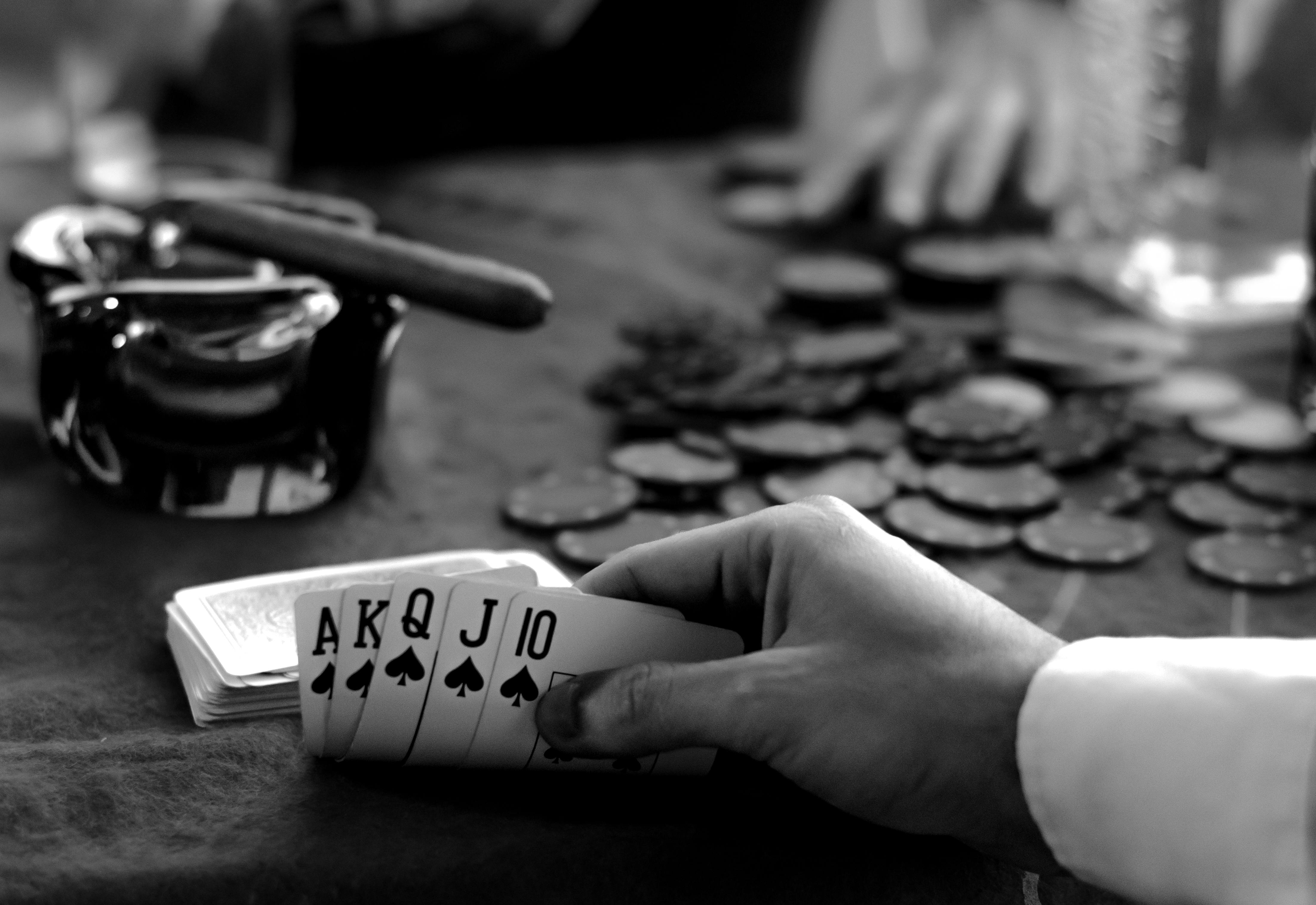
Responsible Gambling and the Future of Gaming
As gambling continues to evolve, so does the importance of responsible gaming practices. Websites dedicated to providing reviews and information about safe gambling are becoming increasingly vital in ensuring players make informed decisions. Education on risks associated with gambling and the promotion of responsible play are essential components in today’s gambling environment.
Looking ahead, the gambling industry is poised for further innovations. As technology advances, we may see the integration of virtual reality and artificial intelligence to create even more engaging gaming experiences. This evolution will undoubtedly continue to shape the future of gambling, making it crucial for players to remain informed and responsible.