

The evolution of casinos a journey through time
The Origins of Gambling
The history of casinos traces back thousands of years, with the earliest evidence of gambling found in ancient China around 2300 BC. These primitive games evolved from simple betting activities into more structured forms of gaming, often linked to religious or cultural rituals. In ancient Rome, public gambling was prevalent, with various games being played in the streets and taverns, establishing a foundation for future betting practices. Today, platforms like wizbet-au.com exemplify such evolution, allowing players to partake in a range of exciting games.
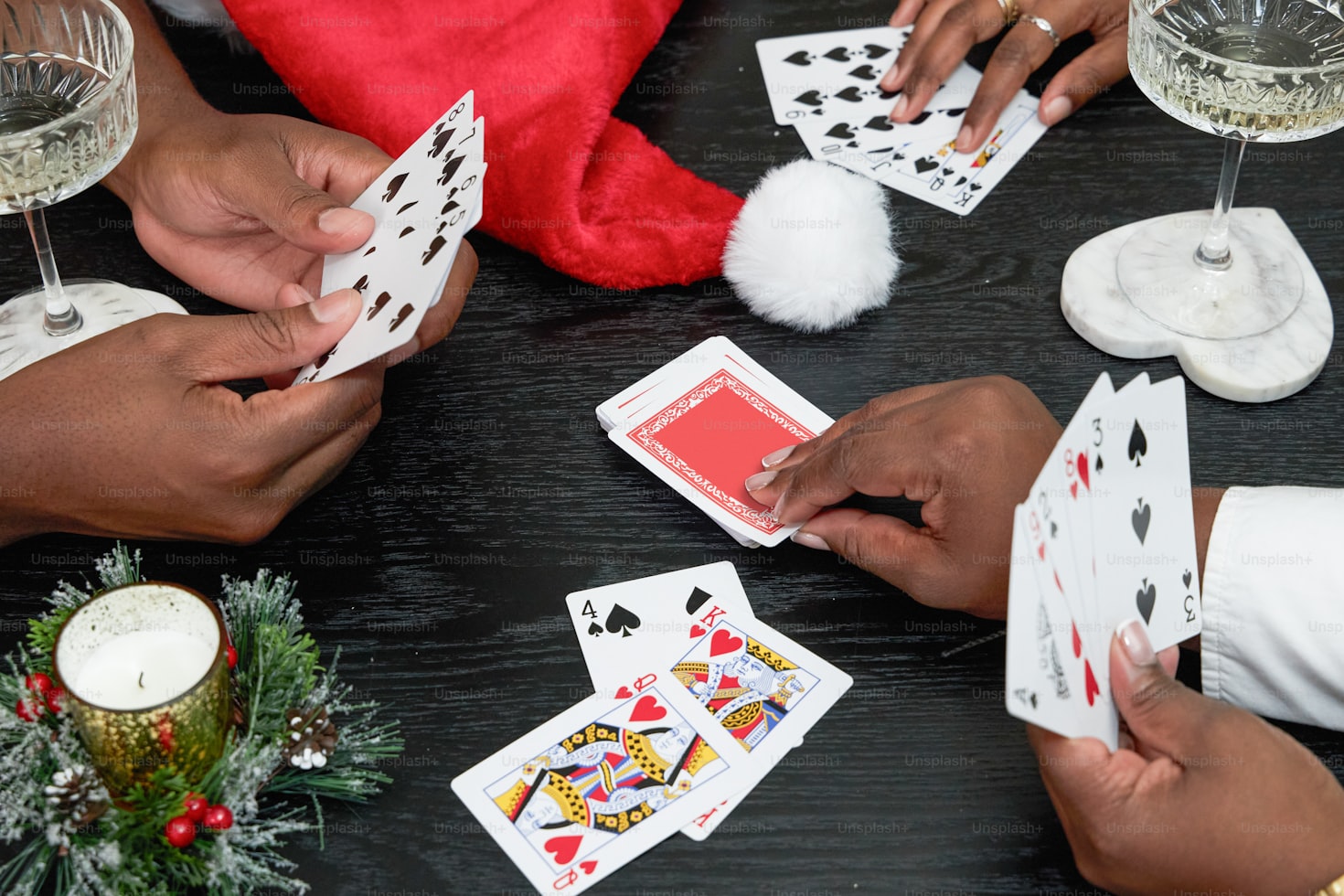
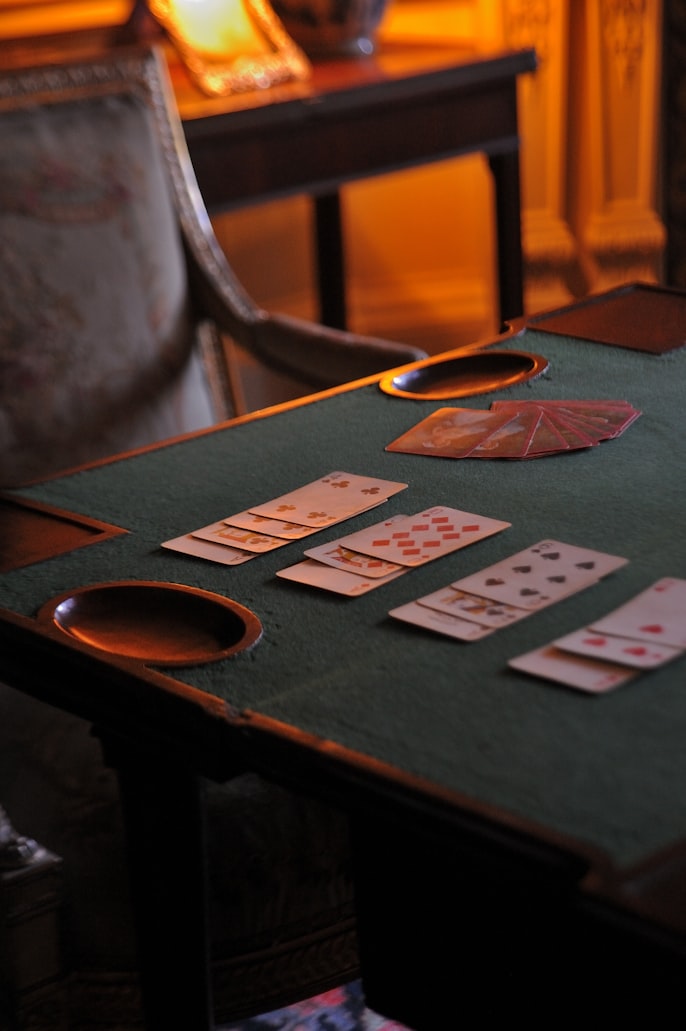
As civilizations advanced, so did gambling practices. The emergence of card games in the Middle Ages marked a significant shift, leading to the development of gambling houses in Europe. These establishments provided a social space for the upper classes to indulge in gaming, laying the groundwork for modern casinos.
The Rise of Formal Casinos
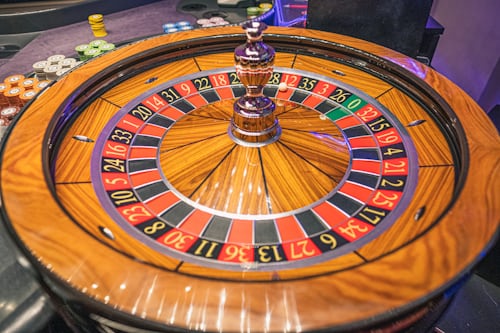
The first official casino, the Casino di Venezia, opened its doors in Italy in 1638. This establishment not only offered a venue for gambling but also introduced a sense of elegance and sophistication. Over the next few centuries, casinos began to spread across Europe, gaining popularity among the aristocracy and eventually the general public. The allure of games like baccarat and roulette made these venues prominent social hubs.
The 19th century witnessed the establishment of iconic casinos in cities like Monte Carlo and Baden-Baden, which further cemented the reputation of casinos as luxury destinations. These establishments catered to a wealthy clientele, creating an environment that combined gaming with fine dining and entertainment.
The American Casino Boom
The arrival of casinos in the United States marked a turning point in the evolution of gambling. The first legal casino opened in New Orleans in the 19th century, but it was the Las Vegas Strip in the mid-20th century that truly revolutionized the casino industry. With lavish resorts and extravagant shows, Las Vegas transformed into the gambling capital of the world, attracting millions of visitors each year.
This era also saw the introduction of slot machines and video poker, making gaming more accessible to the average person. The combination of stunning architecture, entertainment options, and a wide array of games created a unique experience that continues to draw people to casinos today.
The Digital Transformation of Gambling
The late 20th and early 21st centuries heralded a significant shift with the advent of the internet. Online casinos began to emerge, allowing players to enjoy their favorite games from the comfort of their homes. This digital transformation not only expanded the reach of gambling but also introduced a plethora of new gaming options and payment methods.
Today, online platforms offer an extensive range of games, from classic table games to innovative slots. With advancements in technology, players can now enjoy live dealer experiences, providing an authentic casino atmosphere while interacting with real dealers. This evolution has made gambling more accessible to a global audience, changing the landscape of the industry forever.

The Future of Casinos and Online Gaming
As the casino landscape continues to evolve, the future looks promising for both physical and online establishments. Innovations such as virtual reality and augmented reality are set to enhance the gaming experience, immersing players in new and exciting environments. Furthermore, the rise of cryptocurrencies is reshaping payment processes, offering players quicker and more secure transactions.
Wizbet Casino exemplifies this evolution by providing a comprehensive online gaming experience. With thousands of titles and a commitment to user-friendly services, Wizbet ensures that players have access to various entertainment options. Their focus on strategic betting tips and attractive bonuses highlights the competitive nature of the online gaming market, making it an exciting time for both new and seasoned players alike.